A minimalist holiday focuses on unhurried travel and the quality of experience, not the quantity of activities. It's an approach that encourages travelling with fewer scheduled commitments and more room for real connection with the surroundings. Instead of a superficial tour, the emphasis is on immersing yourself in the destination — its local atmosphere and the moments that stay with you long after you return home.
What is a minimalist holiday?
A minimalist holiday means a conscious and thoughtful way of travelling. Instead of packed plans and a constant need to organise every hour of the day, the focus shifts to unhurried travel that allows you to truly experience the space, rhythm, and atmosphere of a destination. This approach doesn't mean deprivation — it means simplifying your trip to free up space for richer, more authentic, and more lasting memories.
Unlike most tourists, who often focus on quickly ticking off sights in order to see as much as possible in a short time, travellers who value a minimalist holiday move at a slower pace with carefully chosen activities. Instead of a packed schedule, the emphasis is on staying in one place, exploring local neighbourhoods, nature, and the everyday life of the destination. This way of travelling reduces feelings of fatigue and overwhelm, and enables a deeper connection with the place being visited.
A minimalist approach also encourages greater mindfulness during travel. The traveller observes, listens, and experiences more, rather than simply passing through a destination. That's why this kind of travel includes small but meaningful moments — a morning walk, enjoying local food, time spent in nature, or spontaneously discovering hidden corners that don't appear on the classic tourist trail.
This style of holiday is closely linked to concepts like digital detox. More and more travellers are consciously reducing time spent on screens and social media in order to be fully present in the place where they're staying. Slow travel becomes a tool for mental rest and allows a balance between relaxation and exploration.
Ultimately, a minimalist holiday doesn't mean a less valuable trip — it means a richer experience that stays with you long after returning home. It's a shift in perspective, where the focus moves from the quantity of content to the depth of experience, and every journey becomes more personal, more peaceful, and more meaningful.
Why we over-travel today (and why it exhausts us)
Modern travel is increasingly shaped by a meticulously detailed itinerary, a list of must-see sights, and pre-defined lists of places you simply can't miss — all of which create additional pressure to experience as much as possible in a short time. This approach encourages constant movement from one location to the next, without truly pausing to absorb the unique character of each place. Instead of unhurried travel, a holiday turns into a logistical project where efficiency is measured rather than the quality of experience. The result is a feeling of constantly running late, even when you're at a destination that's supposed to be a place of rest.
Being overloaded with plans also amplifies mental fatigue. Every day brings a series of decisions — from choosing activities and restaurants to planning routes, making reservations, and optimising time. While such organisation is useful, it drains mental energy over time and reduces spontaneity. Instead of feeling unburdened, a subtle stress arises from the need not to miss anything.
With constant exposure to information and recommendations from social media, the sheer volume of tips, locations, and trends can create the impression that there is a "correct" way to travel — which further burdens travellers and encourages comparison of your own experience with others'. In such an environment, authenticity is lost and replaced with the desire to meet expectations.
The need to constantly document a trip has a particularly significant impact. Photographing, filming, and sharing content in real time frequently interrupts the natural flow of experience and reduces presence in the moment. Instead of experiencing a destination with all the senses, attention is redirected to framing, posting, and audience reactions. The experience becomes fragmented, and the real feeling of being somewhere becomes less important than its digital presentation.
For all these reasons, more and more travellers are recognising the value of a simpler approach and consciously choosing slow travel as a response to the fatigue of modern tourism. By slowing the pace, reducing the number of activities, and being more present in the moment, a deeper, calmer, and more meaningful connection with the destination becomes possible — without the sense of exhaustion that so often accompanies sightseeing tours.
How to travel less – practical principles of a minimalist holiday
The point of a minimalist holiday isn't about deprivation — it's about making considered choices that genuinely contribute to the quality of the trip. It's an approach that simplifies organisation, reduces the burden, and opens up space for unhurried travel, where the rhythm of the day naturally follows personal needs rather than a rigidly defined schedule.
Travelling with fewer belongings brings a sense of lightness and greater flexibility during your stay. When luggage isn't overloaded, getting around becomes easier and the focus naturally shifts to the experience rather than the logistics. Minimalism in packing also encourages more conscious choices — selecting functional, versatile pieces — which reduces stress and speeds up the daily routine. In this way, travel feels more natural, free from constant worry about organising and managing material details.
Overloaded plans often limit the possibility of spontaneously exploring a destination. When the schedule isn't filled with every activity in advance, space opens up for unexpected discoveries, local recommendations, and moments that aren't found in any travel guide.
Contemporary travel culture often creates the impression that every hour of a holiday must be maximally utilised. However, constant activity can lead to fatigue and a reduced sense of genuine enjoyment. Slow travel encourages a different approach — one where value is not measured by the number of places visited, but by the quality of the moments experienced. Leaving part of the day unplanned doesn't mean missing out; it means creating space for authentic experiences and a deeper connection with the surroundings.
Free time on holiday is often mistakenly perceived as wasted time, even though it's precisely that which enables mental rest and recovery. Moments without obligations — a quiet walk, time by the sea, watching the destination go by — contribute to a sense of presence and calm. Travelling at a slower pace returns the focus to simple experiences that can't be planned in advance, while travelling with the destination experience at the centre gives value to silence, atmosphere, and personal rhythm — making a holiday deeper and more lastingly fulfilling.
How to experience more – even when you're doing less
Slowing down the pace of travel doesn't mean reducing the quality of experience — it means deepening it. When you choose unhurried travel, your perception of a destination becomes richer because there is enough time to notice details, atmosphere, and the local way of life. Instead of a superficial sweep through the sights, this type of travel allows genuine immersion in the space, the scents, the sounds, and the rhythm of a place — making the experience more intense and more lasting in memory.
A slower pace also reduces mental overload and restores a sense of presence in the moment. When the day isn't filled with constant activity, attention naturally turns to the experience rather than the schedule. This approach makes travelling to a destination more meaningful, because the destination isn't "consumed" — it's experienced through authentic, unforced moments that leave a deeper emotional imprint.
Natural surroundings have a particularly powerful effect on recovery during a holiday. Spending time by the sea, in a forest, or in quieter areas allows body and mind to gradually align with the natural rhythm of the environment. Slow travel in such spaces encourages a reduction in stress, better focus, and a sense of inner balance. The unhurried pace of time spent in nature allows for deeper breathing, more movement, and a spontaneous break from the everyday noise and digital stimulation.
Simple rituals that shape the travel experience are equally important. A morning walk, silence with a view of the landscape, watching the sunset, or quietly enjoying a coffee without rushing create a sense of stability and presence. Such moments, though seemingly small, often become the most valuable part of slow travel — because they allow authentic contact with the surroundings and with your own rhythm.
When the emphasis shifts from constant activity to conscious experience, the perception of a holiday changes too. Travelling with the destination experience at its centre then involves less content but more depth, more presence, and more inner peace. It's precisely in that simplicity that the paradox of the minimalist holiday lies: by doing less and planning less, you experience more — more clearly and more intensely.
Minimalist holiday in practice – a stay in nature
A stay in nature naturally complements the idea of a minimalist holiday, encouraging a simpler daily rhythm and reducing the need for constant activity planning. An environment free of noise, crowds, and a hectic pace makes unhurried travel possible — one where the day takes shape spontaneously, in line with personal mood and energy. It's precisely this kind of space that creates the conditions for a deeper connection with the destination and a more authentic experience of your stay.
Unlike urban destinations, which often impose a fast pace and a large number of things to do, a natural environment encourages slow travel and directs attention to simple but valuable moments. The sound of the sea, the scent of pine trees, open spaces, and natural light have a calming effect on the nervous system and contribute to a sense of mental unburdening. In such a setting, it becomes easier to step back from everyday obligations and create space for recovery — without the feeling that something must always be done.
Camping and staying away from the urban rhythm further highlight the values of a minimalist approach to travel. Fewer belongings, a simpler routine, and a direct connection with nature encourage more conscious use of time and space. Travelling with the destination experience in focus, in this context, doesn't involve packed itineraries — it means staying, observing, and experiencing the surroundings through everyday, unobtrusive activities like walking, spending time outdoors, or quietly resting in a natural landscape.
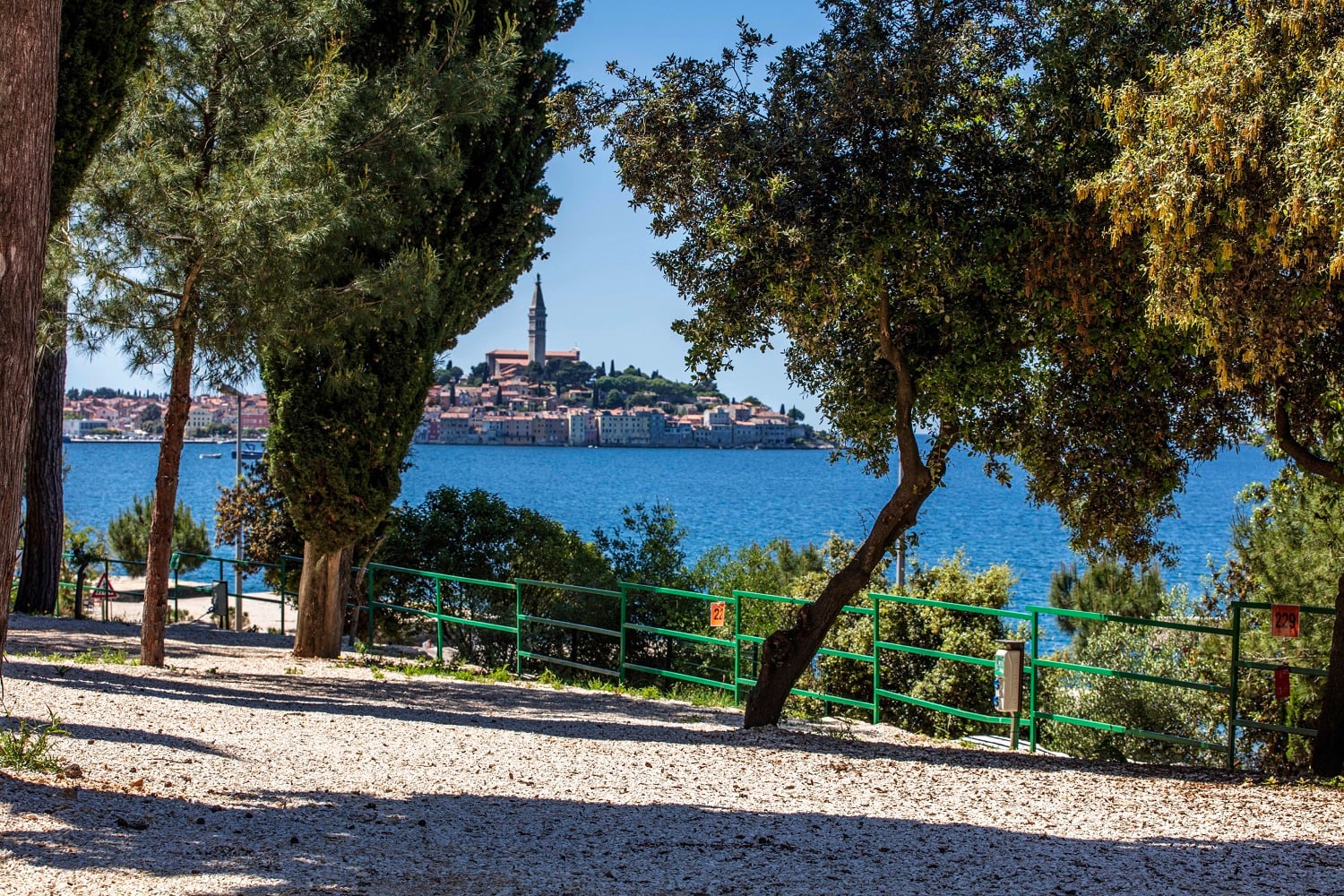
Settings like Porton Nature Hideouts are particularly well-suited to mindful holidays, as they offer a balance between nature, comfort, and unobtrusive amenities. Such a space allows guests to shape their own stay through unhurried travel and spontaneous choice of activities. Instead of a forced schedule, the emphasis is on atmosphere, space, and a sense of ease — where slow travel comes naturally and the experience of the destination develops gradually.
Who is a minimalist holiday ideal for?
A minimalist holiday suits everyone who wants a deeper and more meaningful travel experience, without the pressure of constant activities and packed schedules. It's an approach that places the emphasis on unhurried travel, personal rhythm, and the quality of experience — rather than the quantity of content. This kind of holiday appeals to travellers who value peace, space, and authentic contact with a destination.
For couples, a minimalist holiday represents an opportunity for quality time together, far from the rush of everyday life. It allows for more conversation, shared rituals, and spontaneous moments that deepen connection. Instead of constant movement and organisation, the focus shifts to shared experiences — walks, time in nature, or simple moments of quiet that create a sense of closeness and presence.
For individuals seeking a mental reset, this approach to travel provides space to step back from information overload and a fast-paced lifestyle. Such a journey enables more conscious presence, greater introspection, and a natural slowing of the everyday rhythm. In such an environment, it becomes easier to achieve mental clarity, reduce stress, and restore a sense of inner balance.
A minimalist holiday is also ideal for guests who are tired of mass tourism, crowds, and a superficial tour of popular locations. A growing number of travellers consciously choose slow travel to avoid overcrowded destinations and experience a more authentic atmosphere. Travelling at a gentler pace in a quieter setting allows for more privacy, a greater sense of freedom, and an experience of the destination that isn't shaped purely by the tourist rhythm — but by personal experience and genuine presence.
How to start travelling in a minimalist way?
The first step towards a minimalist holiday isn't a drastic change — it's consciously simplifying the way you plan and experience travel. Instead of wanting to see and do as much as possible in a short time, the emphasis shifts to unhurried travel and the careful selection of activities that genuinely match your personal interests and energy. This approach reduces pre-departure stress and creates more realistic expectations of a holiday as a space for rest — not an exhausting schedule.
Simple steps can make the transition to minimalist travel significantly easier. Choosing one destination instead of several locations, a more flexible plan for your stay, and consciously limiting the number of activities all create space for travelling at a lighter pace. Packing rationally, defining priorities in advance, and leaving free time in the schedule also help create a sense of ease and greater freedom during your stay.
Equally important is shifting expectations before the trip. Instead of the idea that every day must be filled with activities, it helps to accept that the value of a holiday lies in the quality of experiences, not their number. A minimalist approach to travel means being open to spontaneity, local experiences, and the mood of the moment — without the constant need to optimise time.
When the focus shifts from quantity to quality, travel gains a deeper dimension. Fewer activities, but more presence — this allows for a clearer and more intense experience of the space, culture, and atmosphere of a destination. Slow travel then becomes a conscious choice that encourages a calmer rhythm, authentic experiences, and a more lasting sense of fulfilment.
Porton is the ideal location for a minimalist holiday because it naturally encourages slowing down and being present in the moment, without the pressure of packed itineraries and mass tourism. Set in a peaceful natural environment, away from the noise and hectic pace of everyday life, it makes unhurried travel possible — where the day takes shape through time spent outdoors, silence, the sea, and simple rituals that restore a sense of balance. Instead of a constant need for movement and planning, the space at Porton offers precisely what a minimalist holiday calls for: privacy, an authentic atmosphere, and enough room for genuine connection with the destination. Such an environment enables a deeper experience of your stay — where fewer activities bring more presence, more mental rest, and a richer, more lasting holiday experience.


-203.png&w=1920&q=85)